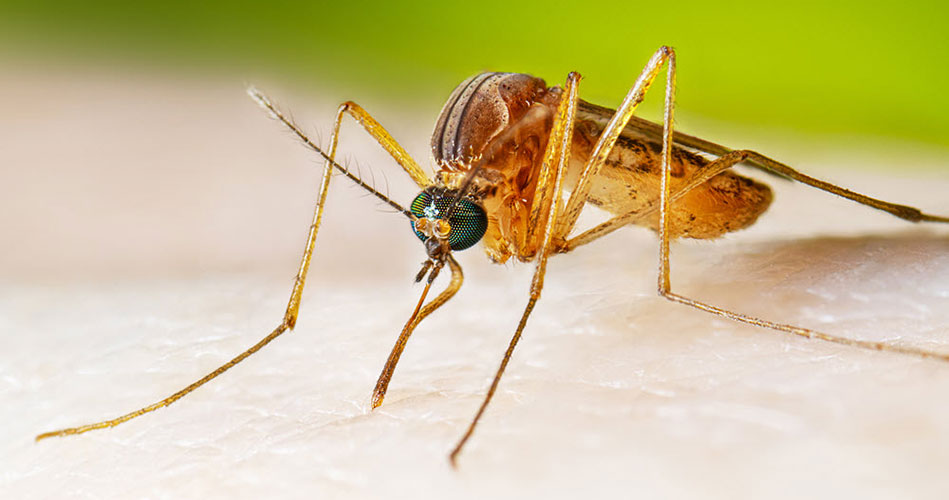
LYNNFIELD — Based on positive mosquito collections in nearby communities, the Massachusetts Department of Public Health has increased Lynnfield’s risk for West Nile Virus to moderate.
Residents are urged to apply insect repellent when outdoors. Townspeople should use a repellent with an EPA-registered ingredient (DEET (N,N-Diethyl-m-toluamide), permethrin, picaridin (KBR 3023), oil of lemon eucalyptus (p-menthane-3,8-diol (PMD) or IR3535) according to the instructions on the product label. DEET products should not be used on infants under two months of age and should be used in concentrations of 30 percent or less on older children. Oil of lemon eucalyptus should not be used on children under 3.
Townspeople should also be aware of peak mosquito hours. The hours from dusk to dawn are peak biting times for many mosquitoes. Residents should consider rescheduling outdoor activities that occur during the evening or early morning in areas of high risk.
Clothing can help reduce mosquito bites. Wearing long sleeves, long pants, and socks when outdoors will help keep mosquitoes away from people’s skin.
Residents should also drain standing water because mosquitoes lay their eggs in standing water. People should limit the number of places around their home for mosquitoes to breed by either draining or discarding items that hold water. Townspeople should also check rain gutters and drains, and empty any unused flowerpots and wading pools and change the water in birdbaths frequently.
Townspeople should also install or repair screens in order to keep mosquitoes outside by having tightly fitting screens on all your windows and doors.
Residents can also call the Health Department to receive a free tick removal kit.

