
By MICHELLE VISCO
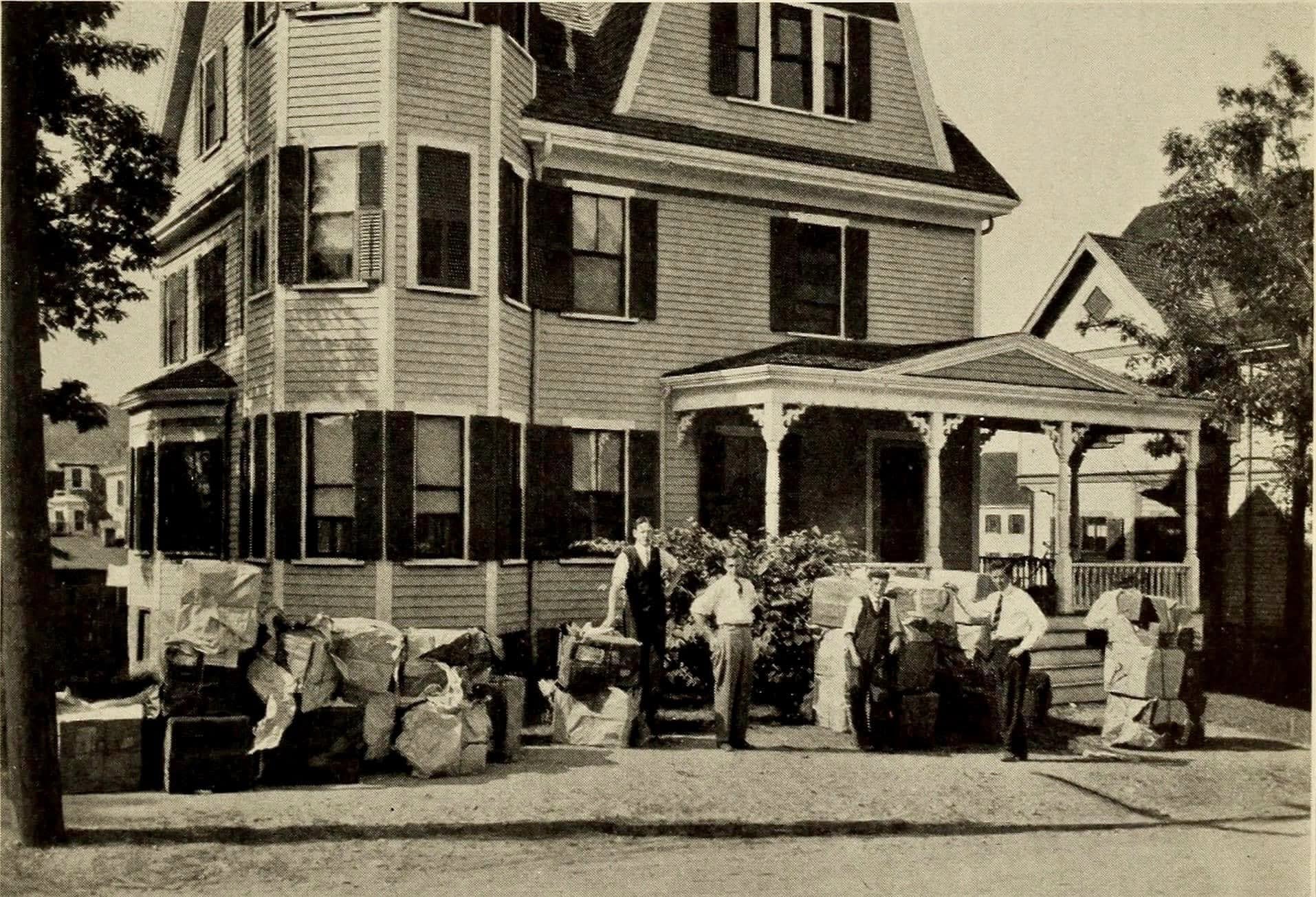
The Melrose Historical Commission recently introduced a new Historic Home Plaque Program and a home on East Highland Ave was awarded one due to its key location in the fight against the Gypsy Moth Invasion of 1900-1905. Liz and Sean Ryan, the owners of the home, received the plaque this past summer a few months after receiving approval from the commission.
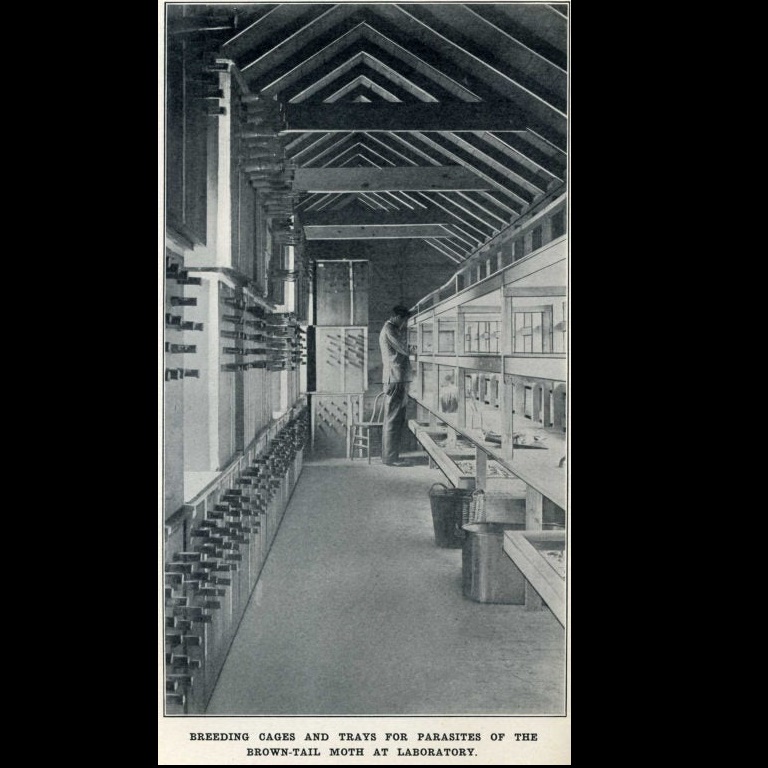
Liz Ryan stated that their home played a very interesting role in the federal government’s efforts to combat the Gypsy Moth Invasion back in the early 1900s. At the time, the U.S. Department of Agriculture was coordinating a large-scale response to contain this invasive species after they were accidentally introduced to Massachusetts by a European entomologist living in Medford and who was studying these moths. The moths spread widely causing significant damage to local ecosystems and their property was selected to serve as a base for entomologists to conduct studies and research on behalf of the U.S. government.
Liz stated of the plaque that it recognizes their home as one of Melrose’s historically significant properties. She added that “The Historical Commission does an excellent job celebrating the city’s history and we were thrilled to be part of the launch of their historical plaque initiative. It’s a great reminder of how much history is hidden in neighborhoods across Melrose.” She noted that the sign is made from wood and includes a reference to the laboratory and the approximate year their house was built.
The Historical Commission has created this program to celebrate and promote the City of Melrose’s historical landscape. Any home or building that is 75 years or older is part of the community’s history. If your home is 75 years or older, you may apply for a plaque through the Melrose Historical Commission and a MACRIS listing through the Historical Commission using the same documentation. Homes or buildings are eligible if they have been the dwelling of a notable person, has been designed by a noted architect or builder, has been a long-time location of a social activity or has a distinctive circumstance or story that is of community interest.
To inquire about the plaque program go to historicalcommission@cityofmelrose.org
Joe Hunt, vice chair of the Melrose Historical Commission, commented that the plaque program was “soft” launched mid last year to test out the publicity approach, plaque design, application format, vendor selection, etc. He said that more than two dozen plaque applications were distributed between Melrose’s annual Victorian Fair and this year’s two “Research Your Home Night” events. To date, there are three historic home owners receiving plaques and one currently in fabrication. Next year the commission will add an increasing presence at social organization meetings and on social media. The plaques are fabricated by a local vendor, Markarian Sign Company in Wakefield.
Homeowners do their own research to determine their home’s construction date. The commission provides home research support via their biannual “Research Your Home Night” sessions. Their Historic Home Plaques are purely ceremonial in nature and do not in any way place any type of lien on the home noted Hunt.
Liz and Sean found out through social media that their house played a role in the fight against the Gypsy Moth Invasion. She noted that the Melrose Historical Commission posted an old black-and-white photo of their house with several people, presumably researchers, standing out front. The caption mentioned it had once been used to study gypsy moths and that sent them digging deeper. She said “It was fascinating to realize that scientists once worked here, experimenting with insects long before chemical pesticides existed. Now we like to joke that we live in a house that used to study bugs- so if we find a spider we just assume it’s carrying on the legacy of its ancestors.”
They found out about their home’s history during “Research Your Home Night” where the commission explained the various tools and resources available for researching homes online. With that information they consulted Melrose archives, historical maps and other historic records to fill in gaps regarding property ownership and other details about the lab. She noted “As a community, we’re very fortunate to have the Melrose Historical Commission and the work they do to keep our city’s history alive and accessible.”
The pair bought their home in 2017 and first learned about its history approximately one to two years later. Recently they completed some work in their backyard that involved excavating some of the dirt and were amazed to see relics from the laboratory including old lab sinks and other items that they believe were used inside the lab structures that once stood there over a hundred years ago. She said “it’s incredible to think we’re still uncovering pieces of that history today.”